At any given time, I have between two and five hobbies on the go. I’m aware this is chaotic. I’ve accepted it. Some people commit to one thing and get really good at it. I commit to many things and get acceptably decent at all of them. Both approaches are valid.
Over the years I’ve tried an embarrassing number of hobbies, some stuck, most didn’t, a few were actively terrible (adult recorder lessons: zero stars, do not recommend). What follows is my honest ranking of the creative hobbies that are actually worth your time if you’re looking for something to do that isn’t staring at a screen.
The “Start This Weekend” Tier
These require minimal investment and almost no prior skill. You can begin today.
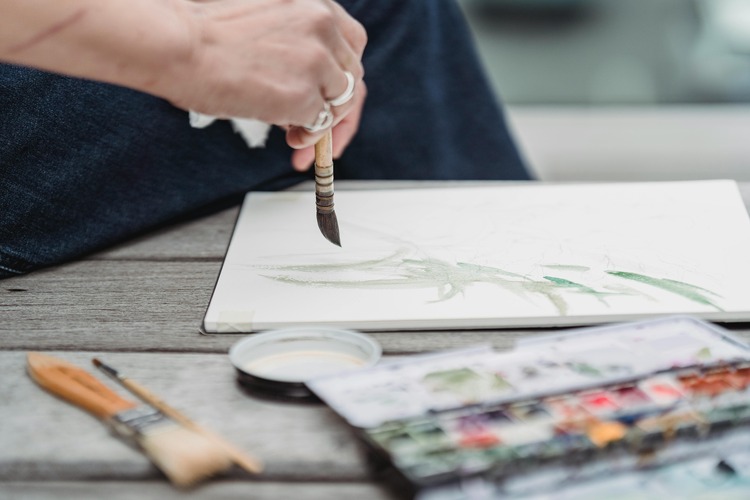
Watercolour Painting
- Startup cost: €15-25 (student-grade paint set, a pad of watercolour paper, two brushes)
- Learning curve: Gentle. Watercolour is forgiving because happy accidents look intentional.
My experience: I started during a particularly boring winter and now I paint at least once a week. I’m not good at it. The sky in my paintings always looks vaguely threatening. But the process of mixing colours and watching pigment bleed across wet paper is genuinely meditative.
Where to start: YouTube is legitimately excellent for this. Search “watercolour for beginners” and follow along. Skillshare also has structured beginner courses if you prefer something more guided.
Journaling (The Creative Kind)
Not the “dear diary” kind. I’m talking about bullet journaling, art journaling, or even just keeping a sketchbook where you glue in ticket stubs, postcards, fabric swatches; whatever catches your eye.
Startup cost: €5-10 (a notebook and some pens)
What I actually do: I keep a messy, non-aesthetic journal where I scribble project ideas, paste in colour swatches from paint chips I steal from hardware stores, and write down things I want to remember. It’s ugly and it’s my favourite possession.
Candle Making
I mentioned this in my DIY gift ideas post, but candle making deserves its own shoutout as a hobby, not just a gift-making exercise. It’s relaxing, it smells incredible, and you end up with useful objects.
Startup cost: €25-35 for a basic kit (soy wax, wicks, fragrance oils, containers)
**[IMAGE PLACEMENT: Pexels search “candle making supplies” — Alt text: “Candle making supplies arranged on a table with soy wax and essential oils”]**
The “Invest a Little More” Tier
These need slightly more gear or space, but the payoff is bigger.
Sewing
I bought a secondhand sewing machine for €40 and spent the first month terrified of it. Now it’s one of my most-used tools. You don’t need to make clothes (I can’t, not well); start with tote bags, cushion covers, simple pouches. Practical items that use straight lines.
Startup cost: €40-80 (used machine) + €15 for fabric and basic notions
Biggest surprise: how satisfying it is to repair things. A ripped seam, a missing button, a hem that’s come undone; being able to fix clothes instead of replacing them feels genuinely empowering.
Good beginner resource: Tilly and the Buttons has excellent beginner-friendly books and patterns.
Pottery / Ceramics
This one’s harder to do at home (you need a kiln for proper ceramics), but many cities have community pottery studios that offer open sessions or short courses for €50-100.
Why I love it: you cannot think about anything else while you’re throwing on a wheel. Your brain goes completely quiet. It’s like meditation but you end up with a bowl.
Alternative: air-dry clay doesn’t need a kiln and is a great starting point for hand-building (pinch pots, coil pots, small sculptures). Available at any art supply shop for about €8.
Embroidery
Embroidery has had a massive comeback. It’s portable (stitch on the train, in waiting rooms, in front of the telly), meditative, and the results are beautiful. Modern embroidery patterns are nothing like your grandmother’s; think bold botanical designs, text art, abstract patterns.
Startup cost: €10-15 for a beginner kit with hoop, fabric, thread, and needle
The “Unexpected” Tier
Hobbies you might not have considered but that scratch the creative itch in unusual ways.
Cooking Without a Recipe
Not meal-prepping, actual creative cooking. Open the fridge, see what’s there, and improvise. It uses the same creative muscles as any art form: working within constraints, making decisions, accepting imperfect results.
My approach: I pick one “anchor” ingredient and build around it. Leftover roasted vegetables become a frittata. A tin of chickpeas becomes a curry. Stale bread becomes bread pudding. The BBC Good Food flavour pairing guide is useful when you’re stuck on what goes with what.
Letter Writing
Actual, physical, pen-on-paper letters. To friends, family, or even strangers through pen pal communities like Slowly (a digital pen pal app that simulates postal delivery times — surprisingly lovely).
It’s creative, it’s personal, and it produces something real. I write one letter per week and it’s become one of my favourite rituals.
Digital Entertainment as a Creative Hobby
This might sound counterintuitive in a post about unplugging, but certain types of screen time are genuinely creative. Game design communities, digital art on a tablet, collaborative storytelling platforms, even the strategy involved in certain online games; these all engage your brain differently than passive scrolling.
If you’re curious about the world of digital entertainment as a hobby (not just passive consumption), I’ve been exploring this topic in my post about the ultimate guide to online entertainment in 2026. There’s more to it than people give it credit for.
How to Pick the Right Hobby
My honest advice: don’t overthink it. Try whatever appeals to you most right now. If it sticks, great. If it doesn’t, you’ve learned something and you move on. The pressure to find “your thing” is overrated; some of us are multi-hobby people and that’s perfectly fine.
The only criteria that actually matters: does it make you feel calmer or more energised afterward? If yes, keep doing it. If not, try the next thing on the list.
For a companion read on protecting your creative energy in general, my post on the perfect weekend self-care routine covers the bigger picture of how to structure your downtime.