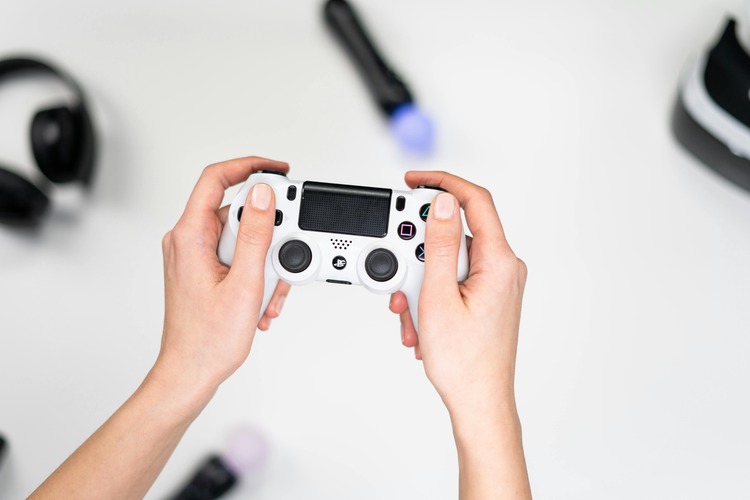
A few months ago, my niece (she’s fourteen) tried to explain what she does for fun after school. It took her ten minutes. Not because she was being vague, because the landscape of digital entertainment is now so layered and interconnected that a single “activity” involves three platforms, two devices, and a group chat running simultaneously.
I sat there feeling ancient. But I also sat there feeling genuinely impressed, because the way people consume and create entertainment in 2026 is wildly different from even five years ago. Here’s what’s actually happening.
Cloud Gaming Has Arrived (For Real This Time)
Cloud gaming has been “the future” for a decade. In 2026, it’s finally the present. Services like Xbox Cloud Gaming, NVIDIA GeForce NOW, and Amazon Luna let you play high-end games on basically any device (a cheap laptop, a phone, even a smart TV — because the heavy processing happens on remote servers.
Why This Matters
- No expensive hardware needed: You don’t need a €500 console or a €1,200 gaming PC. A stable internet connection and a compatible controller are enough.
- Play anywhere: Start a game on your TV, continue on your phone during a commute (if you have good mobile data).
- Lower barrier to entry: People who were never going to buy a gaming PC are now gaming regularly because cloud services removed the cost barrier.
The Xbox Cloud Gaming library is particularly impressive: hundreds of titles available through Game Pass, playable in a browser. For casual users who want to try gaming without committing to expensive hardware, it’s the best entry point I’ve seen.
Interactive Streaming: Watch and Participate
Standard video streaming is still the dominant form of online entertainment, but the interesting growth is in interactive formats. These blur the line between watching and playing.
What Interactive Streaming Looks Like
Choose-your-own-adventure content: Netflix started this with Black Mirror: Bandersnatch. In 2026, interactive storytelling is its own genre, with platforms dedicated to branching narrative experiences.
Live watch parties with real-time chat: services like Teleparty (formerly Netflix Party) and Discord’s streaming feature let groups watch together while chatting. It recreates the social experience of movie night without requiring everyone to be in the same room.
Live-streamed events with audience influence: some Twitch streamers and YouTube creators run shows where the audience votes on what happens next: choosing game decisions, storyline paths, or creative challenges in real-time.

AI-Powered Personalisation
Every platform now uses AI to customise what you see, and the algorithms have gotten significantly better. Spotify’s Discover Weekly already felt like magic; now imagine that level of personalisation applied to gaming (suggesting titles based on your play style), reading (curating articles based on your interests), and even social feeds (filtering for quality over engagement).
The flip side: these algorithms can create filter bubbles. If Netflix only shows you cozy British mysteries because that’s what you watched last month, you’ll never discover the Korean thriller that would blow your mind. My personal rule: accept 80% of algorithm suggestions, but actively seek out 20% from outside your usual comfort zone.
Where AI Gets Creative
Some of the most interesting developments are platforms where AI doesn’t just recommend content, it helps create it:
- AI music generators like Suno and Udio let you describe a song and hear it produced in seconds
- AI art tools like Midjourney and DALL-E are used by creators as brainstorming tools
- AI writing assistants help game designers create dialogue, plotlines, and world-building documents
Whether you love this or find it uncomfortable (I feel both things simultaneously), it’s reshaping how entertainment is made.
Social Play: Entertainment as Connection
The biggest shift I’ve observed isn’t technological, it’s social. Entertainment in 2026 is increasingly communal, even when it’s digital.
How People Are Playing Together
- Co-op gaming is more popular than competitive gaming for the first time in years. Games designed for friends playing together (It Takes Two, Overcooked, Sea of Thieves) dominate sales charts.
- Creative communities build things together: Minecraft servers, Roblox worlds, collaborative playlists, shared photo albums.
- Online hobby groups form around specific interests and meet weekly on video calls to craft, paint, write, or just chat.
This is the bit that surprised me most. I assumed digital entertainment was making people more isolated. For a lot of people (especially those who live far from friends or have limited mobility) it’s doing the opposite.
Subscription Fatigue and the Bundling Response
One genuine problem: there are too many subscriptions. Streaming, gaming, music, podcasts, news, fitness, meditation, each with its own monthly fee. The average household is spending €50-80/month on digital entertainment subscriptions, and that number keeps climbing.
What People Are Doing About It
| Strategy | How It Works |
|---|---|
| Rotating subscriptions | Subscribe to one service per month, binge, cancel, move to the next |
| Family/group plans | Split costs with friends or family (most platforms allow 3–6 users) |
| Free tiers | Many platforms offer ad-supported free versions that are perfectly usable |
| Library digital access | Free streaming, ebooks, and audiobooks through local library systems |
| Annual billing | Most services offer 15–30% discounts for annual vs. monthly payments |
My approach: I keep two subscriptions active at any time and rotate the rest. Combined with a library card and free platforms, I’m never short of things to watch, read, or play.

Where This Is All Going
If I had to guess the next major shift, it’s convergence. The walls between gaming, streaming, social media, and even gambling/betting platforms are dissolving. A platform that today is “just” a game might tomorrow include a film, a live event, a social space, and a marketplace, all in one.
For consumers, this means more choice (great), more screen time temptation (less great), and more need to be intentional about how we spend our digital leisure time. The platforms that will win aren’t the ones with the most content, they’re the ones that respect your time and give you genuine value.
For a broader look at where online entertainment sits in the lifestyle picture, check out my ultimate guide to online entertainment in 2026. And for the full range of Turkish online betting platforms specifically, my guide on Tipobet’in güncel erişim rehberi covers one of the most popular options in that space.