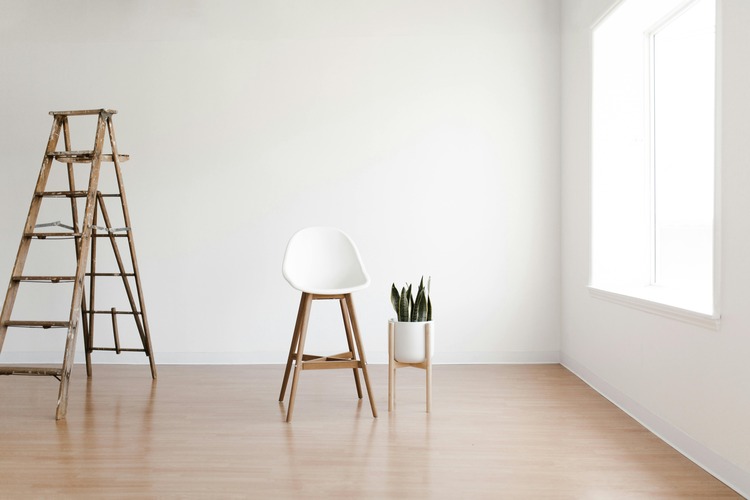
I’ll confess something: I used to hate minimalism. Or at least, I hated what minimalism looked like on the internet: cold white rooms with one sad plant and a single book on the coffee table, positioned just so. It felt like décor for people who didn’t actually live in their homes.
But the minimalism of 2026 is different. It’s warmer. It has texture. It feels lived-in rather than staged. And I’m fully on board.
Here are the trends I’m seeing everywhere right now, and which ones I think are genuinely worth your attention.
Warm Minimalism (a.k.a. “Cozy Clean”)
This is the big one. The entire minimalist aesthetic has shifted from stark and Scandinavian to warm and layered. Think:
- Creamy off-whites instead of brilliant white
- Wood tones everywhere: light oak, walnut, rattan
- Soft curves replacing sharp angular furniture
- Textured fabrics: boucle, linen, chunky knits
- Warm lighting (goodbye, overhead fluorescents)
The Architectural Digest trend forecast for 2026 calls it “human-centred minimalism”: spaces that are decluttered but not cold, intentional but not rigid.
I’ve been slowly moving my flat in this direction. Swapped the grey throw pillows for cream linen ones. Replaced the chrome lamp with a ceramic one. It’s the same furniture, mostly; just softened around the edges.
How to Get the Look Without Buying Everything New
- Edit, don’t replace: Remove three things from any room. Just three. You’ll be surprised how much calmer it feels.
- Add warmth through textiles: A linen throw over a sofa, a jute rug under the coffee table, cotton napkins instead of paper. These are small, affordable changes.
- Switch out hardware: Replacing shiny chrome cabinet handles with matte brass or ceramic knobs takes thirty minutes and costs under €20.
Handmade and Imperfect
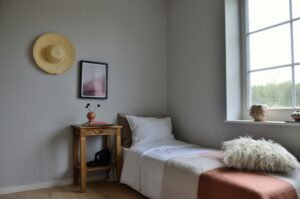
Mass-produced “homewares” from fast-fashion décor brands are losing ground to handmade ceramics, artisan textiles, and one-of-a-kind vintage finds. The appeal is obvious: in a world of identical apartments furnished from the same catalogue, anything handmade stands out.
This is where DIY people have an advantage. That slightly wonky clay pot you made at a workshop? That hand-dyed tea towel that came out a little uneven? Those are now exactly what the trend magazines are showcasing.
Places to find handmade décor without spending a fortune:
- Local pottery studios: many sell seconds (pieces with minor flaws) at steep discounts
- Charity shops and flea markets: old handmade items have more character than new ones
- Your own hands: seriously, a macramé plant hanger takes an afternoon and looks better than anything you’ll find for €40 at a chain store
Earth Tones and Nature-Inspired Palettes
The colour trends for 2026 lean heavily toward colours you’d find on a walk outside. Terracotta, sage green, warm clay, dusty blue, mushroom. The Dulux Colour of the Year leans into this earth-tone territory, and I think it’s going to influence everything from paint choices to cushion covers.
What’s going out: cool greys, pure white, black-and-white contrast. What’s coming in: layered naturals that feel like they grew there.
Intentional Spaces Over “Rooms”
This one’s less about stuff and more about how you use space. Instead of decorating a “living room” or a “bedroom,” people are creating zones based on activities: a reading nook, a morning coffee spot, a craft corner, a screen-free zone.
I love this shift. It works especially well in small flats where every square metre matters. My reading corner is just an armchair, a floor lamp, and a small shelf. It takes up maybe two square metres. But because I’ve defined it as “the reading spot,” I actually use it to read instead of scrolling on my phone.
Fewer Things, Better Quality
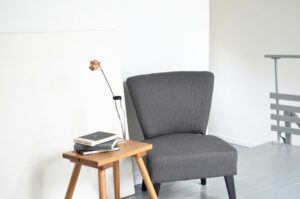
The buy-less-buy-better mantra has finally reached home décor in a meaningful way. People are actively choosing one good ceramic vase over three plastic ones, one proper linen tablecloth over a stack of disposable covers.
This doesn’t mean everything has to be expensive. It means being more intentional about what comes into your home, and being willing to save up for something that’ll last rather than grabbing what’s cheapest right now.
What I’m Trying Next
I’m planning a full budget room makeover for my bedroom this spring; applying a lot of these warm minimalist principles with a strict €100 cap. And honestly, the biggest change won’t be what I buy. It’ll be what I remove.
If you’re into this whole intentional-living approach, you might also enjoy my post on the perfect weekend self-care routine for busy creatives. Same philosophy, applied to how you spend your time instead of how you furnish your space.